
the deeper story
In this blog, I reflect on what happens when we look beyond the obvious. My articles explores the hidden patterns, complexities, and paradoxes of being human, and how greater awareness can transform the way we see ourselves and others.
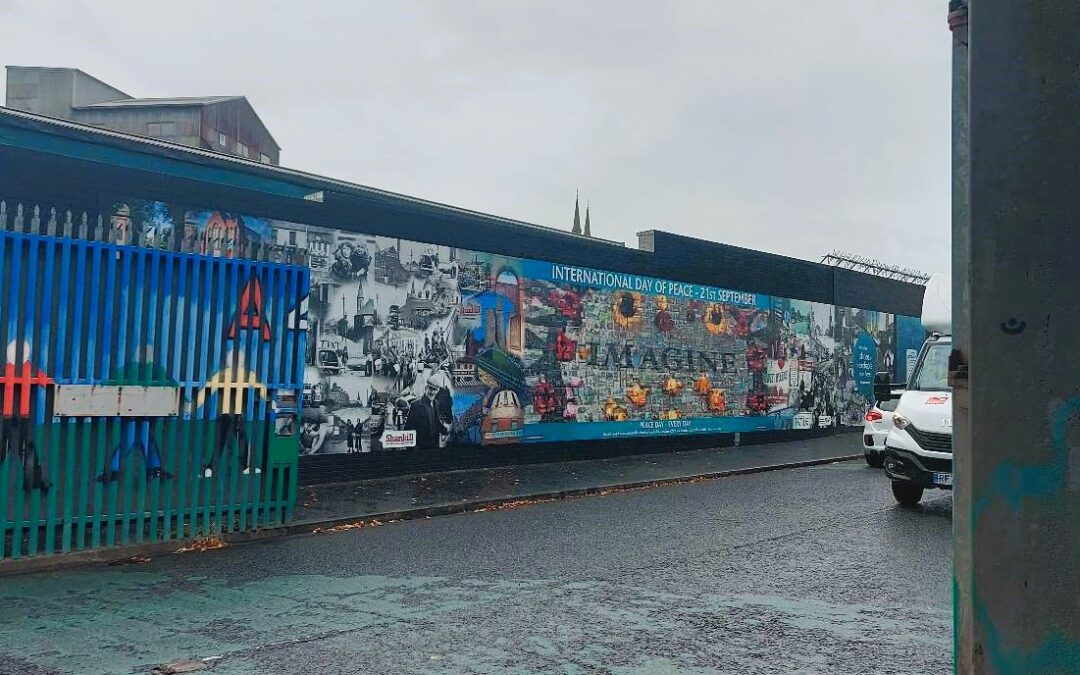
When Our Truths Collide: Can We Reconcile Without Agreeing?
How can two people live through the same events and have entirely different versions of what happened? Reflections from Belfast on memory, conflicting narratives, reconciliation, and whether we really need to agree in order to move forward.

Can we ever really know another person? And do we even know ourselves?
You can share a bed with someone for decades and still have no idea who they really are. But here’s the more uncomfortable question: how well do you actually know yourself?

Why I love Sybylla Melvyn: A celebration of wild authenticity
What makes a person dare to live life entirely on their own terms?
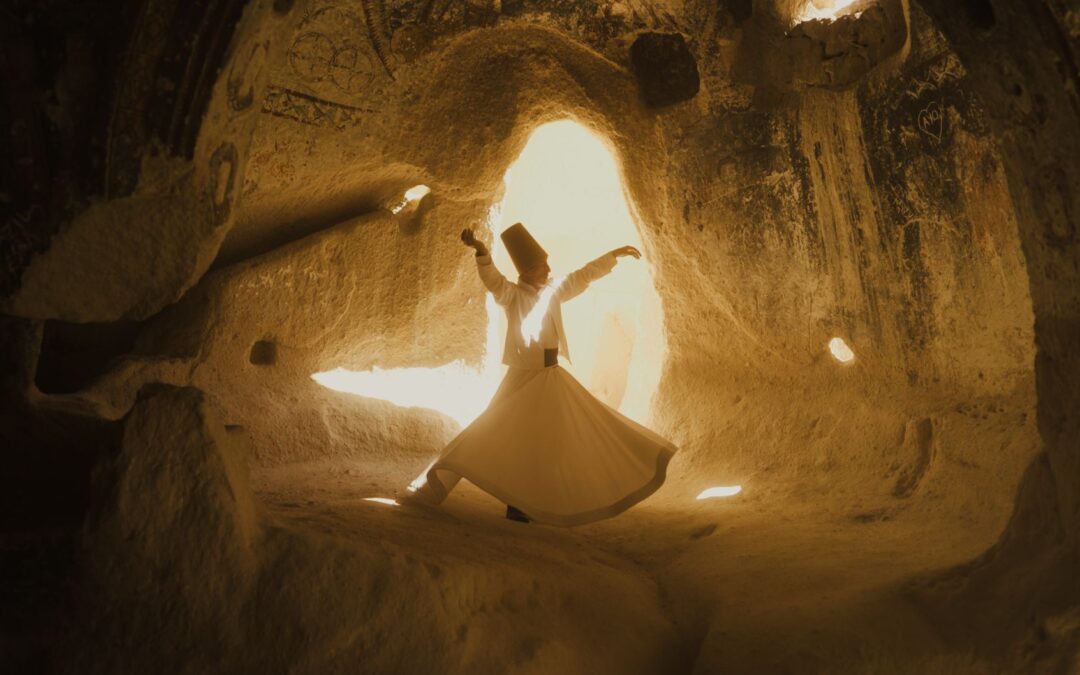
Attachment Theory in 1244: Was Shams an Avoidant who ghosted Rumi?
What if one of history’s greatest mystical love stories also contained a very human psychological dynamic? An irreverent look at Rumi, Shams, attachment theory, heartbreak, and the extraordinary transformation that can emerge from loss.
Who Sees Your Blind Spots?
A moving evening with A Band of Brothers and a mayor’s unexpected tears became a powerful reminder of why we all need people who help us see ourselves more clearly.
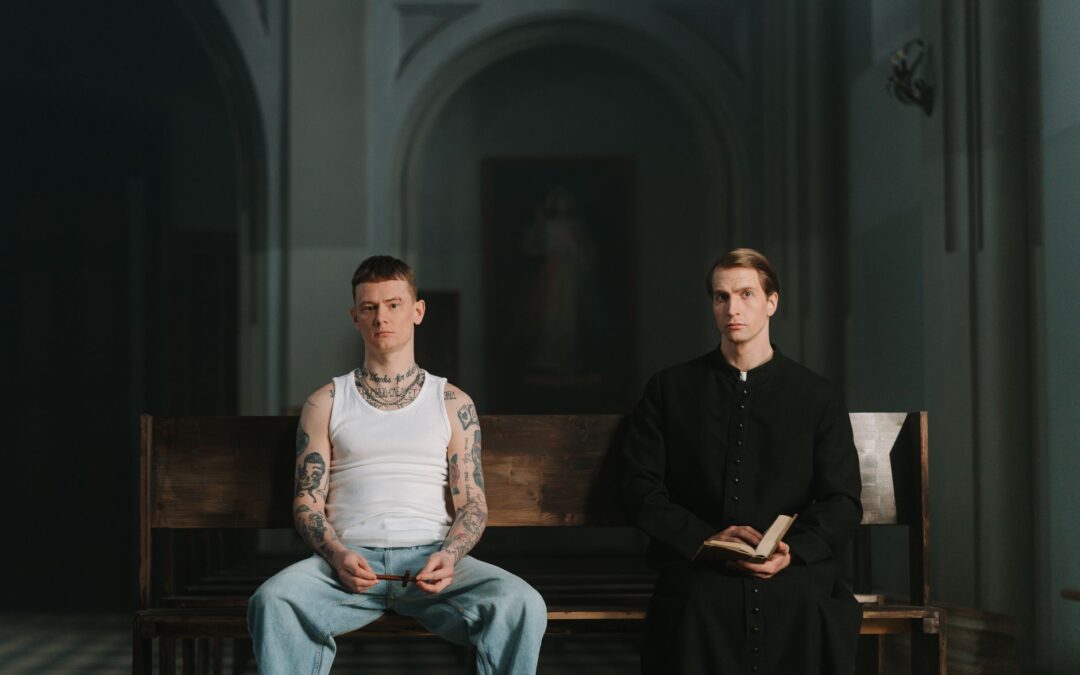
Can People Really Change? And If So, How?
Can people really change, or do we simply become more of who we already are? From ancient spiritual traditions to modern psychology, and from a violent drug dealer turned bishop to my own experience, this is an exploration of what genuine transformation really takes.

Why is complexity so difficult for us to hold?
What June Osborne, prison work, and even Hitler’s secretary taught me about human complexity, tribalism, and black-and-white thinking.
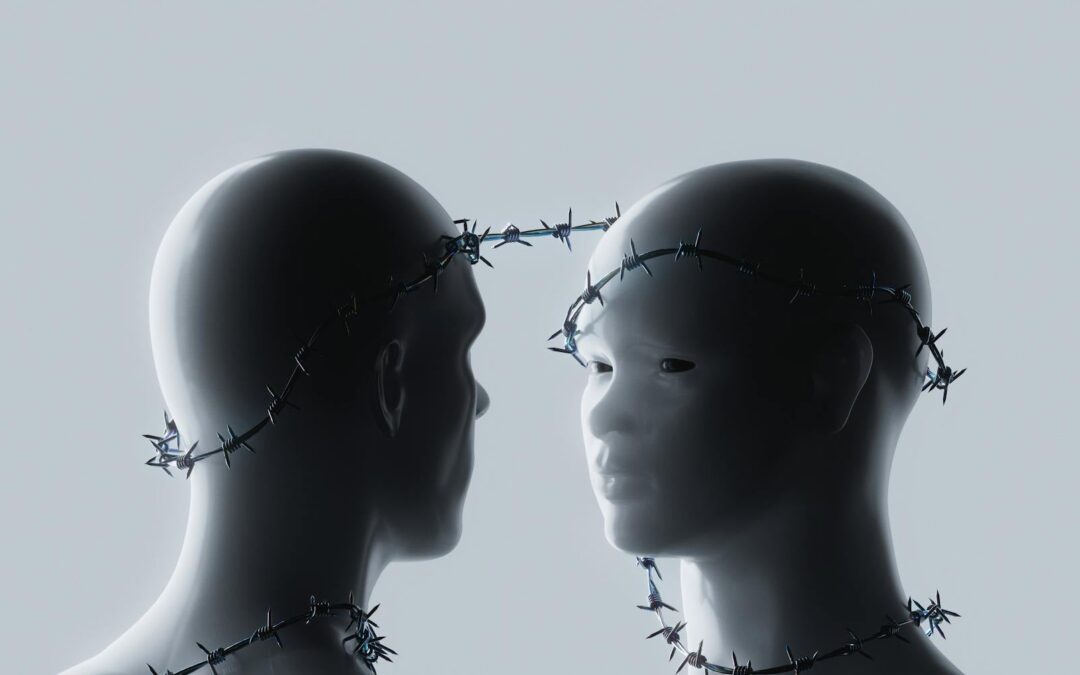
When did our world become so transactional?
What we lose when human connection becomes a commodity

Why is emotional maturity so rare?
A compassionate reflection on why so many adults still behave like children

Inanna’s Descent: Why Real Transformation costs Everything
Who are you when everything is taken away, and there is nowhere left to hide?
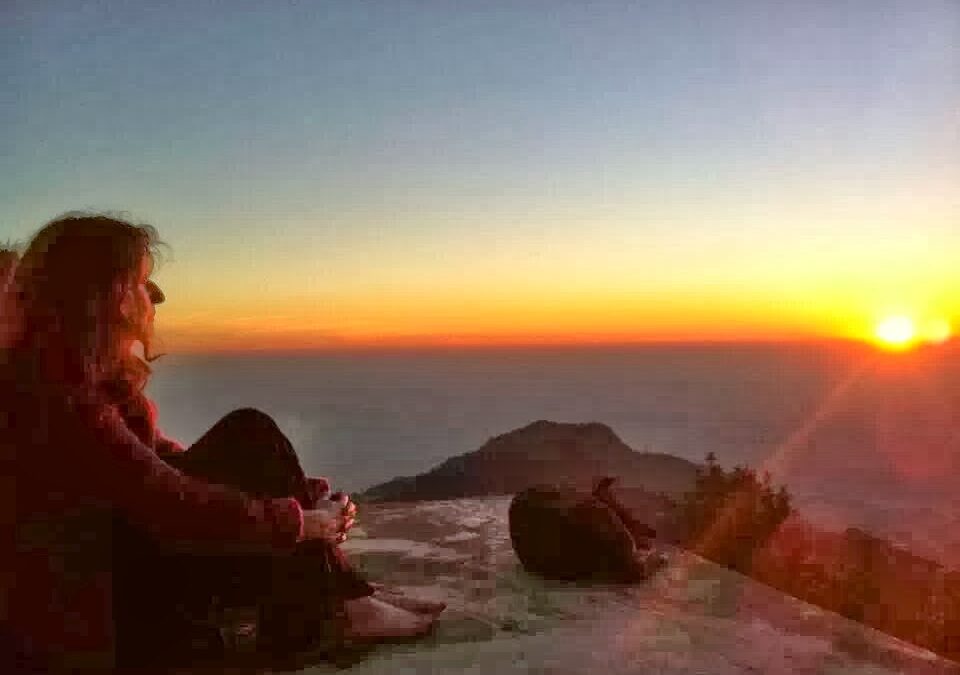
The Loneliness of Integrity
Why Authenticity Often Comes at a Cost
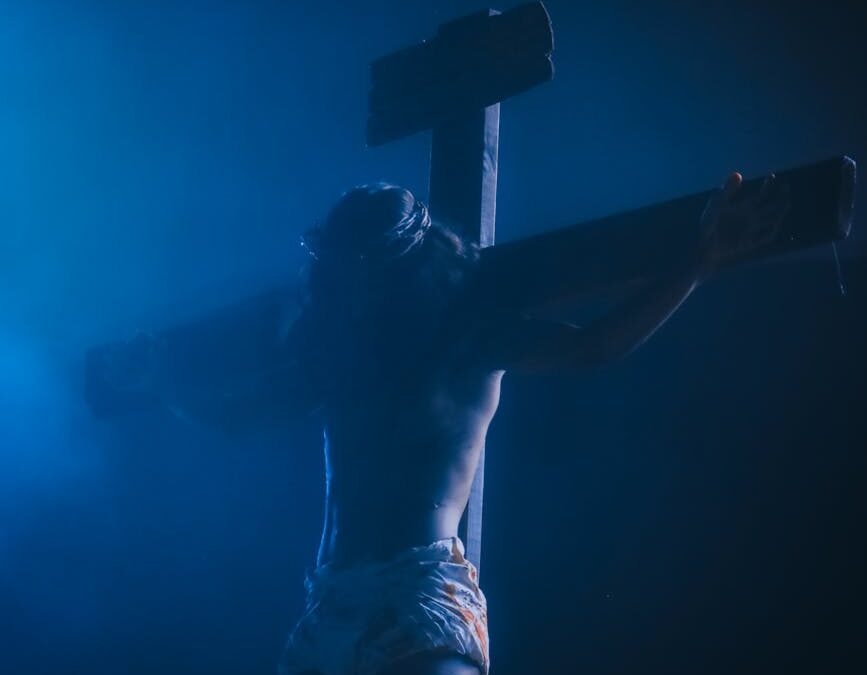
Piercing the Illusion: What the Easter Story Reveals About Human Nature
The Easter story is not only a spiritual drama but a mirror of human nature, revealing our projections, our disappointments, and the possibility of awareness and transformation.

What Is Your Definition of Success?
What remains when we stop trying to prove our worth

Is your current life a trauma response?
How much of the life you have built is truly chosen, and how much is shaped by early wounds you may not even remember? A closer look at ambition, success and the quiet need to be loved.
The beauty of being undefended
Inner freedom begins when you stop acting from your wounds and allow yourself to be seen as you are.

Would restorative justice work on Donald Trump?
If we want to stop cycles of state violence, we may need to ask not how to manage power, but why our systems keep selecting leaders who cannot face themselves.

Toxic Femininity: The Cost of Being Pleasing
Toxic femininity is not a failure of women, but a learned strategy of survival in a world that rewards being pleasing over being real.

Beyond Toxic Masculinity: Shame, Sensitivity, and Healing
Much of what we call toxic masculinity is unprocessed shame and sensitivity that was never allowed to exist.
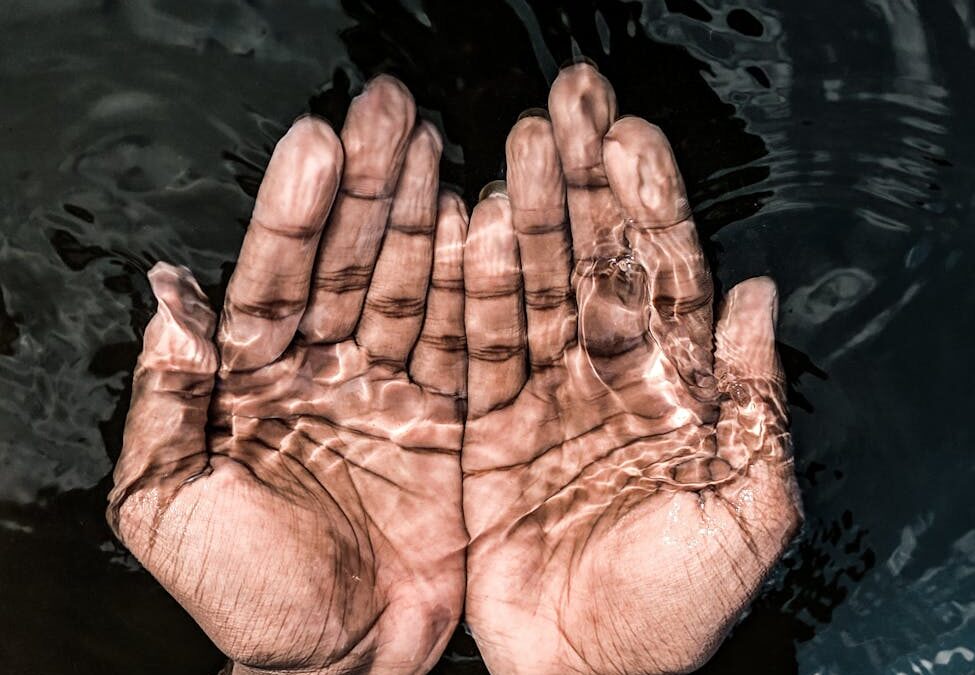
Is It Ethical to Profit from Trauma? A Societal Critique
Healing takes time, safety, and space. When trauma care is shaped by markets and productivity, who is able to heal, and at what cost?
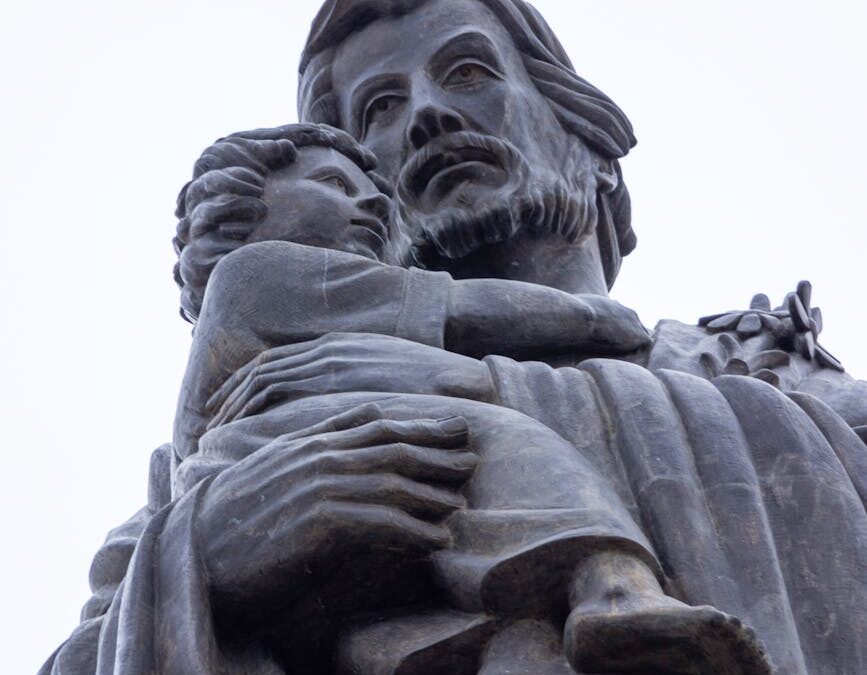
A Quiet Love That Stays: Saint Joseph and the Courage of Tenderness
We may be living through a moment of transition in how masculinity is understood — a quiet loosening of old ways of being, and a search for something more relational, more human. In the figure of Saint Joseph, we encounter not an answer, but a presence: a quiet love that stays.